


Can Decompression Therapy Support Better Spinal Mobility?
Spinal mobility is fundamental to virtually every physical activity performed throughout the day. Reaching overhead, bending forward, turning to look behind, and carrying objects all require adequate spinal movement. When spinal mobility becomes restricted through disc degeneration, nerve compression, or joint dysfunction, daily life suffers profoundly. People often accept this gradual loss of movement as an inevitable part of aging or injury. However, decompression therapy offers a clinically supported pathway to restoring meaningful spinal mobility. Understanding how this therapy works illuminates why it produces such consistent functional improvements.
Understanding Spinal Mobility and What Restricts It
Spinal mobility refers to the capacity of the spine to move freely and comfortably in multiple directions. Healthy spinal mobility requires adequate disc height, normal joint movement, and flexible surrounding soft tissues. Intervertebral discs contribute significantly to spinal mobility by providing cushioned spacing between vertebrae. When discs degenerate or herniate, this spacing diminishes and movement becomes painful or restricted. Adjacent vertebrae may begin to approximate each other, limiting the range of available motion.
Joint restriction is another major contributor to reduced spinal mobility. Spinal facet joints can become hypomobile due to disc degeneration, inflammation, or protective muscle guarding. These restricted joints limit segmental movement and create compensatory patterns in adjacent spinal levels. The compensation eventually produces widespread mobility loss rather than localized restriction. Muscle guarding around an injured spinal segment further limits movement by imposing protective stiffness.
Scar tissue and fascial restrictions that develop following injury or chronic postural stress also impair mobility. These soft tissue changes create biomechanical resistance to movement that accumulates over months and years. Without targeted intervention, this progressive restriction steadily diminishes functional spinal mobility. Addressing all of these contributing factors together is essential for meaningful and lasting mobility restoration.
What Spinal Decompression Therapy Involves
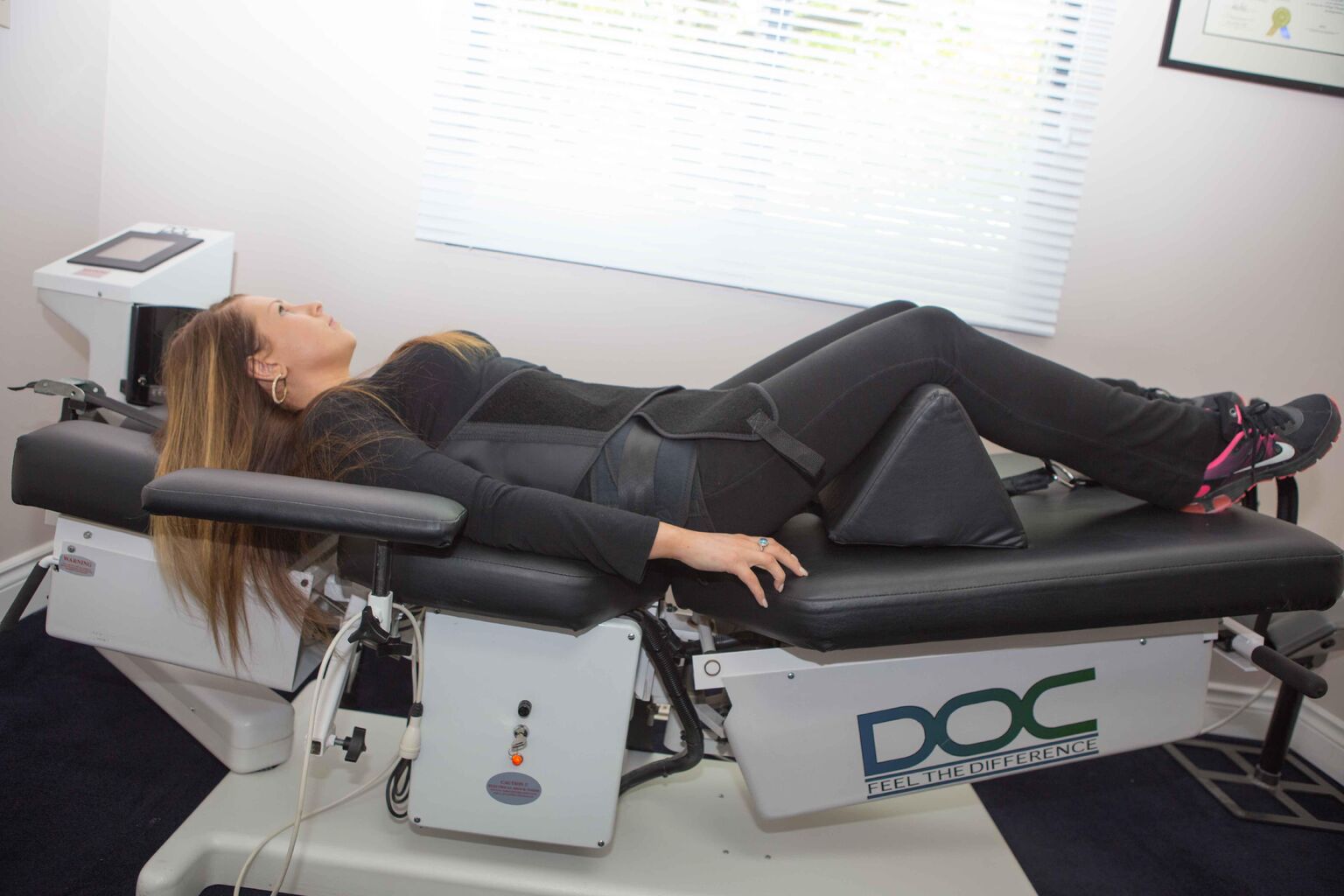
Spinal decompression therapy is a non-surgical, technology-assisted treatment for disc-related spinal conditions. It uses a motorized, computer-controlled traction table to apply precise, controlled forces to the spine. These forces gently elongate the spine in a way that creates negative pressure within the targeted intervertebral discs. This negative pressure produces several therapeutic effects that collectively support improved spinal mobility.
The computerized control system is a critical feature that distinguishes modern decompression from older traction methods. It applies tension in carefully calibrated cycles of traction and relaxation. This cycling pattern prevents the protective muscle guarding that limits the effectiveness of sustained traction. Biofeedback mechanisms within the system detect patient response and adjust forces accordingly. The result is a precisely controlled and highly comfortable therapeutic experience for most patients.
Treatment protocols typically involve multiple sessions over several weeks to achieve optimal cumulative benefit. Each session lasts between 30 and 45 minutes depending on the specific protocol prescribed. The chiropractor or physiotherapist customizes all treatment parameters to the individual patient's condition. These parameters include the angle of traction, the amount of force applied, and the session duration. This individualization ensures that the therapy is appropriately targeted to each patient's structural diagnosis.
How Decompression Therapy Directly Supports Spinal Mobility
Decompression therapy supports spinal mobility through several interconnected physiological mechanisms. Each mechanism addresses a different component of the restriction that limits comfortable spinal movement.
Disc Height Restoration and Joint Space Creation
One of the most direct mechanisms through which decompression supports mobility is disc height restoration. As negative intradiscal pressure draws fluid and nutrients back into the disc, its height partially recovers. This height increase creates additional space between vertebrae for several important structural reasons. It reduces the impingement of nerve roots within the foraminal openings, which alleviates pain during movement. It also provides more space for the facet joints to move freely without approximating and causing pain.
Clinical studies using MRI imaging have confirmed measurable increases in disc height following decompression protocols. These structural changes provide the physical basis for improved spinal mobility. A spine with restored disc spacing simply has more mechanical latitude for comfortable movement. Patients often notice improved flexibility and reduced pain during everyday movements as disc height improves progressively across their treatment protocol.
Reduction of Nerve Root Compression and Pain Inhibition
Nerve root compression is a primary inhibitor of comfortable spinal movement. When a nerve root is compressed by a herniated disc, the surrounding muscles reflexively guard the affected segment. This reflexive guarding prevents the spinal movement that would further compress or irritate the nerve. The result is a functional restriction that goes beyond the mechanical loss of mobility from the disc problem itself.
Decompression therapy retracts the herniated disc material that is compressing the nerve root. As the disc material moves away from the nerve, the compression stimulus is reduced. With reduced nerve root irritation, the reflexive muscle guarding diminishes progressively over treatment sessions. The muscles surrounding the affected spinal segment relax, and the functional mobility restriction resolves. This neurological pathway to mobility improvement is as important as the mechanical disc height restoration.
Improved Disc Hydration and Tissue Extensibility
The negative intradiscal pressure created by decompression draws water and metabolic nutrients back into the disc. This rehydration improves the mechanical properties of the disc itself, making it more resilient and extensible. A better-hydrated disc is more capable of the elastic deformation required during spinal movement. It distributes compressive forces more evenly and resists the asymmetrical loading that restricts movement. Over a course of decompression therapy, progressive rehydration supports increasingly comfortable and functional spinal mobility.
The improved circulation that accompanies decompression also benefits the surrounding soft tissues. Ligaments and capsular tissues that restrict spinal movement receive improved nutrient delivery. This improved tissue health supports greater extensibility and reduced mechanical resistance to movement. The combination of better disc properties and improved surrounding tissue health creates a more mobile spinal environment.
Muscle Tension Reduction and Segmental Relaxation
Chronic muscle tension surrounding a dysfunctional spinal segment significantly restricts mobility. The paraspinal muscles enter a state of sustained guarding in response to disc and nerve irritation. This muscular contribution to restriction is not always addressed by therapies targeting only the disc. Decompression therapy, through its rhythmic traction and relaxation cycles, produces progressive muscle relaxation. Patients often describe a feeling of release and reduced tension in the spinal region being treated.
As the underlying structural causes of muscle guarding are addressed through disc retraction and nerve decompression, the muscles respond accordingly. The structural improvement allows the nervous system to downgrade the protective guarding response. This creates a positive feedback loop where structural improvement leads to muscle relaxation, which allows further mobility improvement.
Clinical Evidence Supporting Mobility Improvements
Research examining the outcomes of spinal decompression therapy includes assessments of functional mobility. Multiple studies report significant improvements in spinal range of motion following completed decompression protocols. Patients with lumbar disc herniations demonstrate measurable increases in lumbar flexion and extension. Cervical decompression studies report improved cervical rotation and lateral flexion in treated patients. These objective mobility improvements accompany the subjective pain reduction that patients typically report.
Long-term follow-up studies suggest that mobility improvements are durable in patients who complete full treatment protocols. Patients who also engage in complementary core strengthening exercises maintain their mobility gains more effectively. The combination of decompression-based structural improvement and active rehabilitation produces the most sustained outcomes. This integrated approach reflects the current clinical standard for non-surgical spinal mobility restoration.
Integrating Decompression With Complementary Mobility Strategies
Decompression therapy produces its best results when integrated with complementary interventions. Chiropractic manipulation addresses the facet joint restriction that coexists with disc-related mobility limitation. Manual therapy techniques including spinal mobilization complement the decompression effect on disc spacing. These combined approaches address both the disc and joint components of spinal mobility restriction simultaneously.
For patients seeking a comprehensive, evidence-based approach, professional Spinal decompression treatment from a qualified clinic provides individualized protocols that combine mechanical decompression with manual therapy, rehabilitative exercise, and lifestyle education to maximize spinal mobility restoration and support lasting functional improvement.
Flexibility training targeting the hamstrings, hip flexors, and thoracic spine supports the mobility gains achieved clinically. Tight surrounding musculature limits spinal mobility by increasing the mechanical resistance to movement. Stretching these structures reduces this indirect restriction and extends the clinical benefits. Core stabilization training builds the dynamic spinal support that protects and sustains the mobility restored through treatment.
Who Benefits Most From Decompression for Mobility
Most patients with disc-related spinal mobility restrictions are appropriate candidates for decompression therapy. Those with confirmed lumbar or cervical disc herniations causing movement-related pain benefit particularly well. Patients with degenerative disc disease causing progressive mobility loss are also strong candidates. Individuals who have lost spinal mobility following periods of prolonged inactivity or immobilization may benefit significantly.
Patients who find that movement is limited by pain rather than by structural articular restriction tend to respond best. When the primary mobility barrier is disc-related nerve compression and associated muscle guarding, decompression directly targets these factors. An initial clinical assessment identifies whether decompression is the most appropriate mobility restoration approach for each individual. This personalized evaluation ensures that treatment is appropriately targeted and clinically justified.
 English
 Arabic
 French
 Spanish
 Portuguese
 Deutsch
 Turkish
 Dutch
Dutch
 Italiano
 Russian
 Romaian
 Portuguese (Brazil)
 Greek
Greek
 Hrvatski
 Cehoslowakia