


How to Restore Movement and Confidence After an Injury
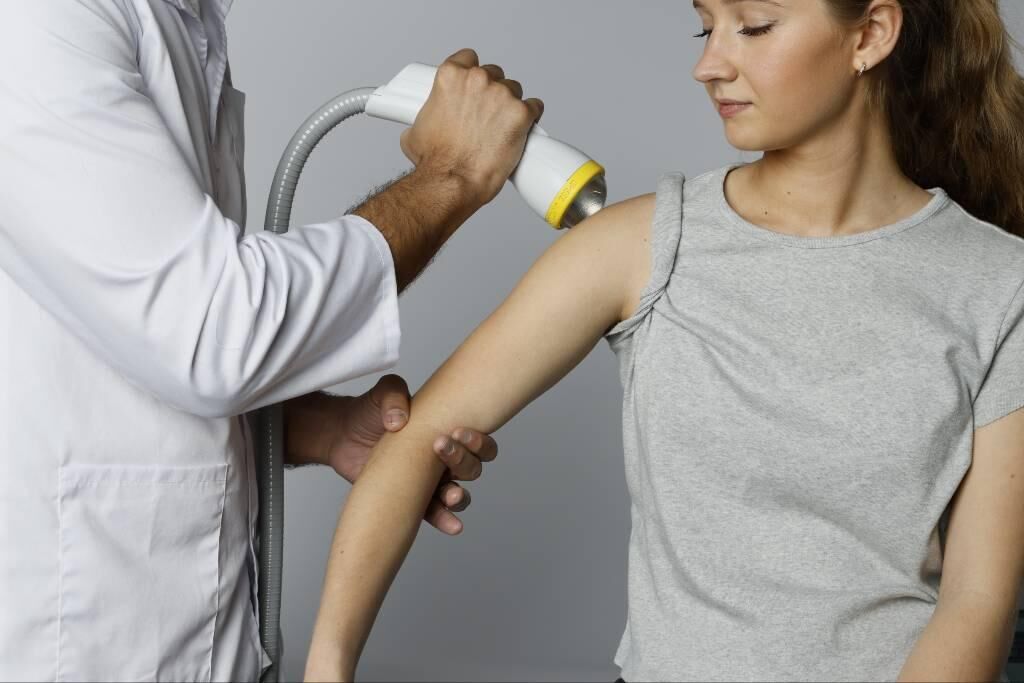
Injury disrupts far more than physical function. It challenges your sense of what your body can do and be trusted to do. The loss of movement capacity creates practical limitations in daily life. The loss of confidence in your body creates psychological barriers that can outlast physical healing. Restoring both movement and confidence requires a comprehensive and thoughtful rehabilitation approach.
Understanding the Dual Impact of Injury
Physical injury causes measurable damage to muscles, tendons, ligaments, and joints. This damage creates pain, weakness, and movement restriction. These physical impairments are visible on clinical assessment and imaging studies. They respond to targeted rehabilitation interventions applied appropriately over time. Physical restoration, while complex, follows relatively predictable biological processes when guided correctly.
The psychological impact of injury is equally real but often less visibly addressed. Fear of movement, called kinesiophobia, develops commonly after painful injury experiences. This fear causes avoidance of activities that would otherwise accelerate physical healing. Anxiety about re-injury prevents full engagement with rehabilitation programs. Depression and frustration emerge when injury disrupts identity, social participation, and meaningful activity. Effective rehabilitation must address both physical and psychological injury consequences simultaneously.
Why Confidence Is as Important as Physical Recovery
Physical capacity without movement confidence produces incomplete functional restoration. A patient may regain full measurable strength and range of motion. But if they move with fear and hesitation, their functional performance remains impaired. Hesitant movement patterns under fear are less efficient and more injury-prone than fluid, confident movement. True recovery requires both physical restoration and psychological readiness to move fully and freely.
Movement confidence develops through graduated successful exposure to progressively challenging activities. Each successful exercise experience communicates safety to the nervous system. Repeated safety experiences gradually reduce the threat response associated with movement. This process cannot be rushed, but it can be deliberately facilitated through skilled rehabilitation. A rehabilitation professional who understands movement psychology creates the conditions for confidence restoration.
The Foundation: Accurate Diagnosis and Clinical Assessment
Restoring movement and confidence begins with understanding exactly what happened and why. Accurate clinical diagnosis identifies specific damaged structures and their healing requirements. Movement assessment reveals compensatory patterns that developed to protect the injured area. Strength testing documents specific muscular weaknesses requiring targeted intervention. Neurological assessment identifies any nerve involvement contributing to symptoms or movement limitation.
This diagnostic foundation allows treatment to be precisely targeted rather than broadly generic. Treating the wrong diagnosis produces poor results regardless of treatment quality. A thorough initial assessment takes time but saves time by ensuring subsequent treatment is appropriate. Patients who understand their diagnosis through professional explanation feel more in control of their recovery. This sense of informed control is itself a confidence-building therapeutic element.
Managing Pain to Enable Early Movement Restoration
Pain management is the prerequisite for early movement restoration after injury. When pain is well-managed, patients engage more readily with rehabilitation exercises. This engagement produces the movement experiences needed to restore both capacity and confidence. Pain management in modern rehabilitation is multimodal and avoids excessive medication reliance. Manual therapy, electrophysical modalities, and specific therapeutic exercises all contribute to effective pain control.
Joint mobilization provides immediate pain reduction and mobility improvement in restricted joints. Soft tissue techniques reduce the muscle guarding that amplifies pain and limits movement. Transcutaneous electrical nerve stimulation modulates pain signal transmission through neurological mechanisms. Ice and heat therapies are used strategically based on the healing phase. Effective pain management creates the clinical environment in which movement restoration becomes possible.
Progressive Movement Restoration Strategies
Movement restoration follows a logical progression from simple to complex, supported to independent. Early rehabilitation focuses on pain-free range-of-motion exercises within comfortable limits. These exercises maintain tissue health and prevent the stiffness that accompanies prolonged rest. They also provide early positive movement experiences that begin rebuilding confidence. Gentle movement in the early phase signals safety to the nervous system more effectively than rest.
Neuromuscular re-education addresses the altered movement patterns that develop after injury. The nervous system responds to injury by inhibiting certain muscles and overactivating others. These inhibition and activation changes persist long after tissue healing has occurred. Specific exercises restore normal muscle recruitment timing and activation patterns. Restored neuromuscular control is essential for safe, efficient, and confident movement.
Progressive Loading for Structural Restoration
Injured tissues require progressively increasing mechanical load to remodel into strong, functional structures. Loading that is too light allows healing without adequate strength development. Loading that is too heavy risks re-injury before sufficient structural integrity has developed. The appropriate loading window requires individual assessment and ongoing clinical monitoring. Progressive loading matched to healing stage is the technical core of effective movement restoration.
Physiotherapy treatment protocols for movement restoration use evidence-based loading progressions specific to each tissue type. Tendon rehabilitation uses eccentric loading protocols supported by extensive research. Ligament rehabilitation uses progressive functional loading that respects ligamentous healing timelines. Muscle rehabilitation begins with low-load activation and progresses through strength, power, and endurance phases. Each tissue type receives the specific loading stimulus that drives its optimal remodeling.
Rebuilding Confidence Through Graduated Exposure
Graduated exposure is the evidence-based approach to rebuilding movement confidence after injury. Feared or avoided movements are introduced gradually within a supportive therapeutic environment. The patient begins with a significantly modified version of the feared movement. Success with this modified version begins reducing the fear response associated with the movement. Progressive modifications bring the movement closer to its full form as confidence grows.
The grading of this exposure requires clinical skill and patient sensitivity. Moving too quickly through exposure stages re-triggers fear without building confidence. Moving too slowly fails to challenge the fear response sufficiently for desensitization to occur. A rehabilitation professional calibrates the exposure pace based on ongoing assessment of the patient's fear response. This careful calibration is what makes graduated exposure therapeutically effective for confidence restoration.
Sport and Activity-Specific Confidence Restoration
Return to specific activities requires activity-specific confidence that general rehabilitation cannot fully provide. A rock climber needs confidence in overhead gripping and dynamic upper body loading. A runner needs confidence in high-impact loading, speed, and directional changes. A parent needs confidence in lifting, carrying, and dynamic play with their children. Activity-specific restoration addresses the particular movements and demands of each person's meaningful activities.
Sport-specific rehabilitation phases expose patients to progressively challenging activity-relevant scenarios. Running rehabilitation progresses from walking to jogging to running to sprint intervals. Sport agility is reintroduced through controlled drills before full sport participation. Competitive intensity is the final phase, approached only after all prior phases are successfully completed. This systematic return to specific activities builds genuine confidence through accumulated successful performance.
The Role of Education in Confidence Restoration
Pain neuroscience education is a foundational confidence-building intervention in rehabilitation. Patients who understand why pain occurs and how the nervous system generates it are less frightened by it. This reduced fear directly decreases protective guarding that limits movement. Educated patients move more freely and engage more courageously with rehabilitation exercises. Education transforms the experience of pain from terrifying to understandable and manageable.
Movement education teaches patients that appropriate activity is safe and beneficial. Many injured patients believe movement will worsen their condition without professional reassurance. A rehabilitation professional who clearly explains the safety and benefit of movement changes this belief. Changed beliefs produce changed behaviors, specifically more movement rather than avoidance. This behavioral change is the bridge between pain-driven avoidance and confident, purposeful movement.
Measuring and Celebrating Recovery Milestones
Objective measurement of progress is essential for sustained confidence during recovery. Strength gains measured by testing provide concrete evidence of physical improvement. Range-of-motion improvements documented at regular intervals confirm mobility restoration progress. Functional performance tests demonstrate readiness for progressively demanding activities. Seeing objective evidence of progress is profoundly motivating for continued rehabilitation engagement.
Celebrating milestones in recovery reinforces the positive identity of being a capable, recovering person. A rehabilitation professional who highlights achievements builds patient confidence alongside physical capacity. The psychological reinforcement of celebrated milestones sustains motivation through the long middle phases of recovery. Recovery that is measured, tracked, and celebrated produces more confident and committed patients. Measurement and celebration are clinical tools as valuable as any exercise or manual therapy technique.
Restoring movement and confidence after injury is a comprehensive process requiring expert guidance. Physical and psychological recovery must proceed together for outcomes to be truly complete. Graduated movement exposure, skilled progressive loading, and empowering education combine into an effective restoration pathway. With professional support, both movement capacity and confident trust in your body can be fully reclaimed. The journey back to full, free, and confident movement is absolutely achievable with the right rehabilitation approach.
 English
 Arabic
 French
 Spanish
 Portuguese
 Deutsch
 Turkish
 Dutch
Dutch
 Italiano
 Russian
 Romaian
 Portuguese (Brazil)
 Greek
Greek
 Hrvatski
 Cehoslowakia