


Why Does Hormone Balance Matter During Midlife?
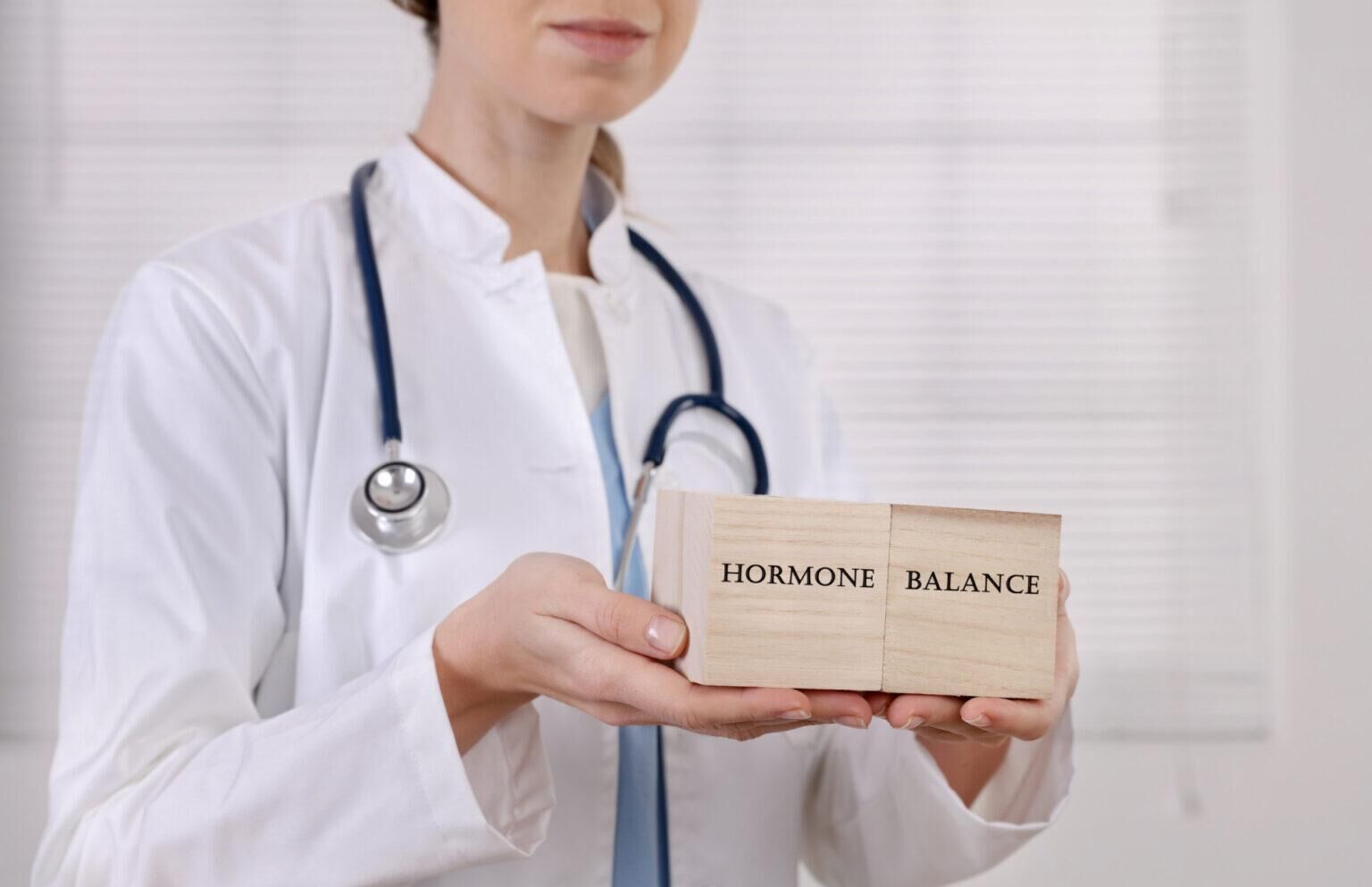
Midlife represents one of the most significant hormonal transitions in a woman's entire lifespan. The hormonal changes that occur during this period affect virtually every body system and dimension of wellness. Understanding why hormonal balance matters during this phase transforms how women approach their health. It shifts the perspective from passive endurance of symptoms to informed and active health management. The stakes of hormonal balance during midlife extend well beyond immediate symptom relief.
The Hormonal Architecture of Midlife Health
Estrogen, progesterone, and testosterone collectively govern an enormous range of physiological functions. During midlife, the production of all three declines in ways that create measurable systemic effects. The brain, bones, cardiovascular system, skin, and metabolism are all affected. Understanding this systemic reach helps women appreciate why hormonal balance is a comprehensive health priority.
The midlife hormonal transition does not happen in isolation from other life demands. Professional responsibilities, family caregiving, and social commitments are often at their peak. The physical and cognitive impacts of hormonal imbalance therefore create a compounding burden. Maintaining hormonal balance during this demanding life phase supports the full range of capabilities that midlife requires.
The Difference Between Balance and Deficiency
Hormonal balance during midlife does not mean maintaining the hormonal levels of youth. It means maintaining levels that support healthy function and quality of life for this life stage. The goal is not restoration to a twenty-year-old baseline but optimization for current physiological needs. This distinction helps set realistic and achievable treatment expectations for women in midlife.
Deficiency, by contrast, means that hormone levels have fallen below the threshold necessary for healthy function. When this deficiency produces symptoms that affect daily living, medical support becomes clinically appropriate. The line between expected transition and problematic deficiency is crossed when functioning and quality of life are meaningfully impaired. A specialist who understands this distinction provides the most clinically appropriate guidance.
Physical Health Consequences of Hormonal Imbalance During Midlife
The physical health consequences of hormonal imbalance during midlife are both immediate and long-term. In the immediate term, hot flashes, sleep disruption, and vaginal discomfort affect daily comfort and function. These symptomatic impacts are significant and deserve medical attention rather than resignation. Effective treatment improves immediate physical comfort and daily functioning substantially.
The long-term physical consequences extend into decades beyond the menopausal transition itself. Bone density loss that accelerates without estrogen support creates mounting fracture risk over time. Cardiovascular risk increases as estrogen's protective effects on vascular health are withdrawn. These long-term consequences make the case for addressing hormonal balance during midlife a genuinely important health priority.
Metabolic Health and Hormonal Balance
Metabolic health is intimately connected to hormonal balance in ways many women do not anticipate. Insulin sensitivity decreases as estrogen declines during the midlife transition. This change promotes abdominal fat accumulation that is disproportionate to caloric intake. The resulting metabolic shift increases the risk of type 2 diabetes and cardiovascular disease meaningfully.
Maintaining hormonal balance helps preserve the metabolic health that estrogen previously supported. Women who address hormonal decline medically often find that weight management becomes more responsive again. The body composition changes that accompany hormonal imbalance partially reverse with appropriate treatment. These metabolic benefits add significant health value beyond immediate symptom relief.
Musculoskeletal Health and Hormonal Support
Musculoskeletal health depends significantly on hormonal balance throughout midlife and beyond. Estrogen supports bone mineral density through its effects on osteoblast and osteoclast activity. When estrogen declines, the rate of bone resorption exceeds the rate of new bone formation. This imbalance produces progressive bone density loss that eventually manifests as osteoporosis.
Joint pain and stiffness are also commonly associated with hormonal decline during midlife. Estrogen has anti-inflammatory effects that reduce joint irritation and maintain cartilage health. When estrogen falls, inflammation increases and joint discomfort becomes more common. Maintaining hormonal balance supports the musculoskeletal comfort and physical function that active midlife living requires.
Emotional and Mental Health Benefits of Hormonal Balance
The emotional and mental health benefits of hormonal balance during midlife are profound. Estrogen's influence on serotonin, dopamine, and GABA pathways directly affects mood regulation. When estrogen levels are adequate, these neurochemical systems function more efficiently and predictably. When estrogen declines, emotional stability and stress resilience decrease accordingly.
Anxiety and depression that develop or worsen during midlife frequently have a direct hormonal component. The neurochemical disruption of estrogen withdrawal creates a biological predisposition toward mood disorders. Women whose depression or anxiety does not respond adequately to psychological interventions may have an underlying hormonal driver. Addressing this hormonal dimension often produces meaningful and sometimes dramatic emotional improvement.
Cognitive Health and the Hormonal Connection
Cognitive health during midlife is directly supported by hormonal balance, particularly estrogen adequacy. Estrogen influences synaptic plasticity, verbal memory, and processing speed in measurable ways. Women who maintain adequate estrogen levels tend to experience milder cognitive symptoms during the menopausal transition. Those with significant estrogen decline often report notable brain fog, memory lapses, and reduced mental clarity.
The cognitive importance of hormonal balance during midlife extends into considerations of long-term brain health. Emerging research suggests that early initiation of hormonal support may offer protective effects on cognitive aging. The critical window hypothesis proposes that hormonal treatment is most neurologically beneficial when begun during the early menopausal transition. Women concerned about cognitive health have a compelling reason to discuss hormonal balance with a specialist promptly.
Sexual Health and Relationship Wellness
Sexual health is an important and often underdiscussed dimension of hormonal balance during midlife. Estrogen, progesterone, and testosterone all contribute to sexual desire, arousal, and physical comfort during intimacy. When these hormones decline, libido may decrease, vaginal health deteriorates, and sexual satisfaction often diminishes. These changes affect not only the woman herself but also the quality of her intimate relationships.
Hormonal balance that supports sexual health contributes to relationship satisfaction and personal self-perception. Women who feel physically comfortable and sexually engaged report better relational quality and emotional wellbeing. Addressing the hormonal component of sexual health changes during midlife is a legitimate and important medical goal. Specialists who create supportive environments for these conversations make them far easier to initiate.
The Relational Impact of Hormonal Wellness
The relational impact of hormonal balance extends beyond sexual intimacy into all close relationships. Emotional stability, patience, and presence all improve when hormonal balance is maintained or restored. Partners, children, and colleagues all benefit from the emotional availability that hormonal wellness supports. The social ripple effects of better hormonal health are significant and widely appreciated by those closest to the woman experiencing them.
Women who address their hormonal health during midlife often describe feeling more like their authentic selves. The irritability, withdrawal, and emotional reactivity that hormonal imbalance produces gradually diminishes with treatment. Relationships that were strained by these symptoms often recover meaningfully when hormonal balance is restored. This relational restoration represents one of the most personally valued benefits of addressing midlife hormonal balance.
Medical Support for Midlife Hormonal Balance
Medical support is the most direct and effective approach to maintaining hormonal balance during midlife. When the body's natural production falls below functional thresholds, medical supplementation addresses the deficit directly. This root-cause approach produces more comprehensive and lasting benefits than symptomatic management alone. The breadth of benefit reflects the fundamental role of hormones throughout female physiology.
Hormone replacement therapy for women represents the most extensively studied medical approach to midlife hormonal balance. Decades of clinical research support its effectiveness for hot flash relief, sleep improvement, and mood stabilization. Long-term health protection for bones, cardiovascular function, and cognitive health adds significant additional value. Women who begin treatment during the early menopausal transition typically experience the most comprehensive benefits.
Personalized Approaches to Hormonal Balance
Modern hormonal support is defined by personalization rather than one-size-fits-all protocols. Comprehensive testing that measures estrogen, progesterone, testosterone, and thyroid markers guides individualized prescribing. Bioidentical hormones available in diverse formulations allow for precise customization. The right combination, dose, and delivery method varies based on each woman's unique hormonal profile and health history.
Regular monitoring ensures that treatment remains appropriately calibrated as the body changes over time. Follow-up testing every three to six months allows for timely and accurate dosage adjustments. Specialists who track both laboratory values and symptom patterns provide the most responsive ongoing care. This dynamic management approach is the hallmark of expert midlife hormonal support.
Lifestyle Strategies That Support Midlife Hormonal Balance
Lifestyle strategies work synergistically with medical treatment to support midlife hormonal balance. Anti-inflammatory nutrition reduces the systemic inflammation that amplifies hormonal symptoms. Cruciferous vegetables, omega-3 rich foods, and phytoestrogen sources like flaxseeds are particularly beneficial. Minimizing processed foods, refined sugar, and alcohol reduces the hormonal disruption these substances promote.
Physical activity is among the most powerful non-medical tools for supporting midlife hormonal balance. Resistance training preserves muscle mass and supports testosterone levels that decline with aging. Cardiovascular exercise regulates cortisol and promotes mood-stabilizing neurotransmitter release. Women who exercise consistently throughout midlife experience significantly milder hormonal transition symptoms and better long-term health outcomes.
Conclusion
Hormonal balance during midlife is not a luxury concern but a fundamental health priority with far-reaching consequences. Physical health, emotional stability, cognitive function, sexual wellness, and relationship quality all depend on it. Medical support combined with evidence-based lifestyle strategies provides the most comprehensive approach to maintaining balance. Every woman navigating midlife deserves access to the knowledgeable, personalized care that makes hormonal wellness genuinely achievable. The investment in hormonal balance during this phase pays dividends across every dimension of health and life quality for decades to come.

 English
 Arabic
 French
 Spanish
 Portuguese
 Deutsch
 Turkish
 Dutch
Dutch
 Italiano
 Russian
 Romaian
 Portuguese (Brazil)
 Greek
Greek
 Hrvatski
 Cehoslowakia