


Industrial Laser Cleaner: A Modern Approach to Efficient Surface Cleaning
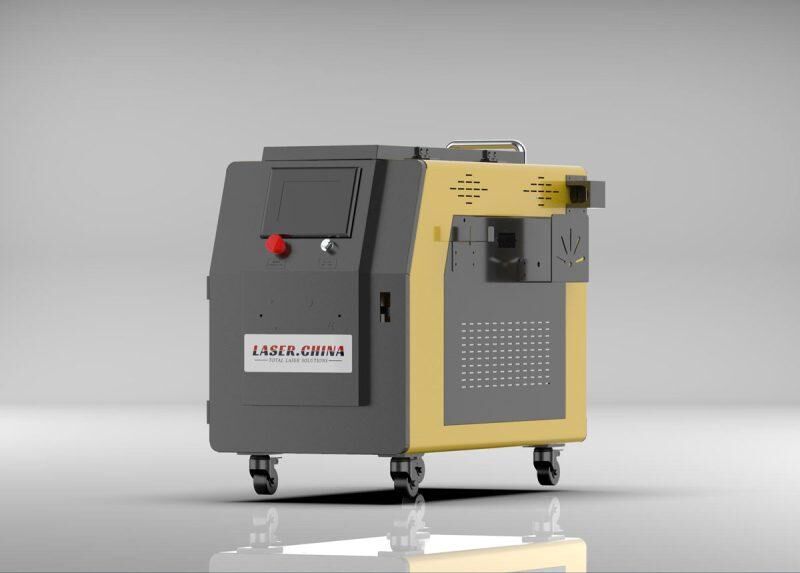
Industrial surface cleaning plays an important role in manufacturing, maintenance, fabrication, restoration, and metal processing. Traditional cleaning methods often involve chemicals, abrasive materials, grinding tools, or manual labor. While these methods can be useful for certain applications, modern industries increasingly require more controlled and efficient solutions. An industrial laser cleaner provides a modern approach by using concentrated laser energy to remove unwanted materials from a surface without relying on conventional abrasive processes.
As industries continue to focus on production efficiency, surface quality, workplace organization, and environmentally responsible processes, laser cleaning has become an increasingly interesting option for professional applications.
What Is an Industrial Laser Cleaner?
An industrial laser cleaner is a laser-based system designed for removing contaminants and unwanted layers from industrial surfaces. Depending on the application, the equipment can be configured for different power levels, scanning patterns, working distances, and cleaning requirements.
Unlike abrasive cleaning, laser cleaning does not require physical contact between a cleaning tool and the surface. The laser beam is directed toward the selected area, where its energy interacts with contaminants such as rust, paint, carbon deposits, oxide layers, or accumulated dirt.
Industrial laser cleaning systems are commonly used with metals including steel, stainless steel, aluminum, copper, and other materials. The correct laser settings depend on the material, contaminant, thickness of the unwanted layer, and required surface condition.
How Laser Cleaning Works
The basic laser cleaning process begins with identifying the material that needs to be removed and determining the condition of the underlying surface. The operator then selects suitable laser parameters for the particular application.
When the laser beam reaches the contaminated area, the absorbed energy causes the unwanted material to loosen or vaporize. A scanning system can move the beam across the surface so that larger areas can be treated systematically.
The cleaning process can be adjusted according to the type of contamination. For example, rust removal may require different settings from paint removal or oxide cleaning. Careful parameter selection helps control the interaction between the laser and the workpiece.
Industrial equipment can also incorporate extraction systems to manage particles and fumes produced during the cleaning process. Proper ventilation, extraction, and protective procedures should always be considered when operating laser equipment.
Industrial Applications of Laser Cleaning
Laser cleaning has applications across many industries because different manufacturing and maintenance processes create different types of surface contamination.
Metal Fabrication
Metal fabrication facilities regularly deal with rust, oxidation, welding residue, and surface contamination. An industrial laser cleaner can be used to prepare metal surfaces before welding, coating, painting, or further processing.
Removing unwanted material before a production step can help create a cleaner working surface and support consistent processing.
Automotive Manufacturing and Maintenance
Automotive components can accumulate rust, paint, grease, carbon deposits, and other contaminants. Laser cleaning can be applied to selected metal components during manufacturing, repair, restoration, and maintenance operations.
Aerospace Components
Aerospace manufacturing requires careful control of component surfaces. Laser cleaning can be used for certain preparation, maintenance, and restoration tasks where removing contamination without extensive mechanical contact is desirable.
Because aerospace components can involve specialized materials and coatings, cleaning parameters should be tested carefully before full-scale production.
Machinery Maintenance
Industrial machinery can accumulate oil, grease, oxidation, dirt, and production residues over time. Regular surface cleaning helps maintenance teams inspect components and prepare them for repair or further service.
Laser technology offers a precise method for treating selected areas without requiring the same type of physical abrasion associated with conventional mechanical cleaning.
Paint and Coating Removal
Removing old paint and coatings can be an important part of industrial maintenance and refurbishment. Conventional methods may involve chemical stripping, blasting, sanding, or grinding.
A laser system can be programmed and adjusted to target unwanted coatings on suitable surfaces. This makes laser cleaning particularly interesting for applications where controlled removal is important.
The operator needs to select appropriate parameters according to the coating thickness and the material beneath it. Testing a small area before processing the complete component is a practical step for achieving consistent results.
Rust Removal With Laser Technology
Rust is one of the most common contaminants found on industrial metal surfaces. If left untreated, corrosion can continue to affect the condition of equipment and components.
An industrial laser cleaner can target rust and oxidation layers while allowing the operator to control the cleaning process. This makes it useful for restoring selected metal surfaces before maintenance, painting, welding, or inspection.
For heavily corroded components, several passes may be required depending on the depth and condition of the corrosion.
Surface Preparation Before Welding
Clean surfaces are important for many welding applications. Oil, rust, paint, oxidation, and other contaminants can interfere with surface preparation.
Laser cleaning can be used before welding to remove selected contaminants from metal areas. A controlled cleaning process can help prepare the workpiece for subsequent fabrication.
Handheld laser systems can be particularly useful for workshops where components have different shapes and sizes. Operators can move the laser cleaning head around the workpiece and treat specific areas as required.
Choosing the Right Industrial Laser Cleaner
Selecting suitable equipment requires more than simply choosing a high-power laser. Industrial users should first consider the type of materials and contaminants they regularly encounter.
The required laser power, cleaning speed, working area, scanning configuration, cooling method, and operating environment should all correspond to the intended application.
For occasional maintenance work, a different configuration may be appropriate than for continuous production-line cleaning. Businesses should also consider whether the equipment will be used for rust removal, paint stripping, oxide removal, mold cleaning, surface preparation, or multiple applications.
Safety and Operating Procedures
Laser cleaning equipment should always be operated according to the manufacturer's instructions and applicable workplace safety requirements. Industrial laser systems can involve high-energy laser radiation, so appropriate protective equipment, controlled work areas, warning systems, and trained operators are essential.
Operators should also consider fumes and particles generated during cleaning. Suitable extraction and ventilation systems can help maintain a controlled working environment.
Before beginning production work, operators should understand the machine's controls, emergency procedures, laser safety requirements, and recommended operating parameters.
Maintaining Laser Cleaning Equipment
Regular equipment maintenance helps keep an industrial laser cleaning system operating consistently. Operators should inspect the laser head, protective components, cables, cooling system, and other relevant parts according to the manufacturer's maintenance schedule.
Following recommended maintenance procedures can help reduce unexpected interruptions and support reliable use in demanding industrial environments.
The Future of Industrial Surface Cleaning
As manufacturers look for more controlled surface-processing technologies, laser cleaning continues to attract attention across industrial sectors. Improvements in laser sources, scanning systems, automation, and machine design are creating more opportunities for laser-based cleaning.
Automation can also allow laser cleaning systems to be integrated into production environments where repeatable processing is required. Robotic laser cleaning solutions, for example, can be used for complex components or larger production workflows when the application is properly designed.
Final Thoughts
An industrial laser cleaner provides a modern method for treating rust, paint, oxidation, grease, coatings, and other unwanted materials on suitable industrial surfaces. Its controlled, non-contact cleaning process makes it relevant to metal fabrication, automotive work, machinery maintenance, restoration, welding preparation, and other professional applications.
 English
 Arabic
 French
 Spanish
 Portuguese
 Deutsch
 Turkish
 Dutch
Dutch
 Italiano
 Russian
 Romaian
 Portuguese (Brazil)
 Greek
Greek
 Hrvatski
 Cehoslowakia