


Precision Shoulder Screws Manufacturer | USA-Made Shoulder Bolts – AMPG
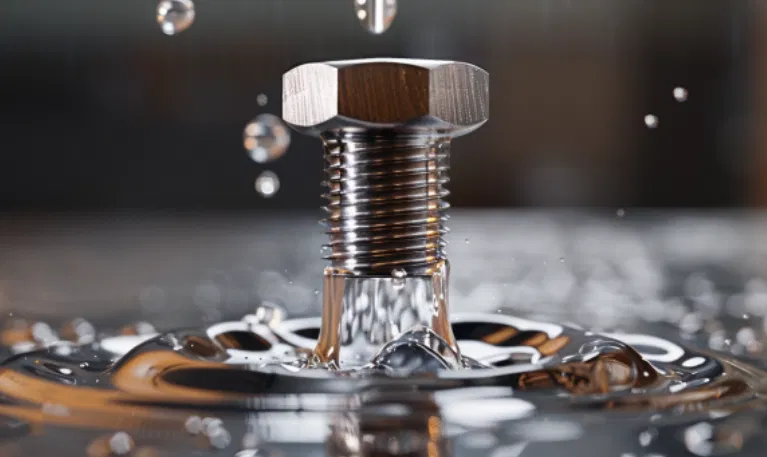
AMPG is a leading manufacturer of shoulder screws and shoulder bolts producing high-quality, USA-made precision fasteners for industrial and OEM applications. Contact us
Shoulder Screws and Shoulder Bolts: A Complete Guide to Types, Uses, and Benefits
When precision matters in mechanical assemblies, shoulder screws and shoulder bolts can play an important role in creating reliable, accurately positioned connections. Unlike standard fasteners, these components feature a precisely manufactured shoulder that can function as a spacer, pivot, bearing surface, or locating element. If you are looking for precision-engineered fastening components, explore shoulder screws for applications that require controlled dimensions and dependable performance. Similarly, shoulder bolts can be considered when a smooth, accurately sized shoulder is needed within a mechanical assembly.
What Are Shoulder Screws and Shoulder Bolts?
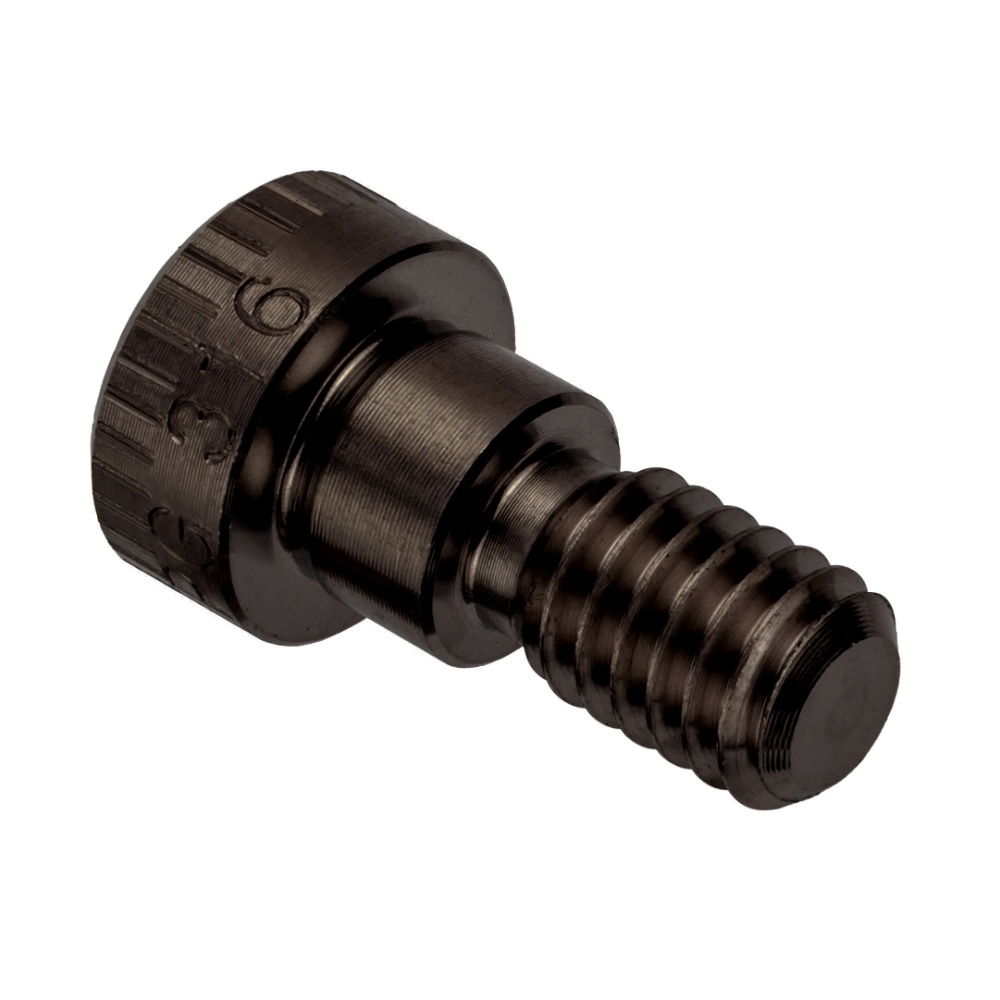
A shoulder screw is a specialized fastener consisting of three primary sections: the head, shoulder, and threaded portion. The shoulder has a larger diameter than the threaded section and is manufactured to a specified length and diameter.
This design allows the fastener to perform more than simply joining two components. The shoulder can provide a controlled distance between parts while also acting as a bearing or pivot surface.
The terms shoulder screw and shoulder bolts are sometimes used interchangeably, although terminology can vary by manufacturer, industry, and region. In practical applications, both generally refer to precision fasteners featuring an unthreaded shoulder.
How Is a Shoulder Fastener Different From a Standard Screw?
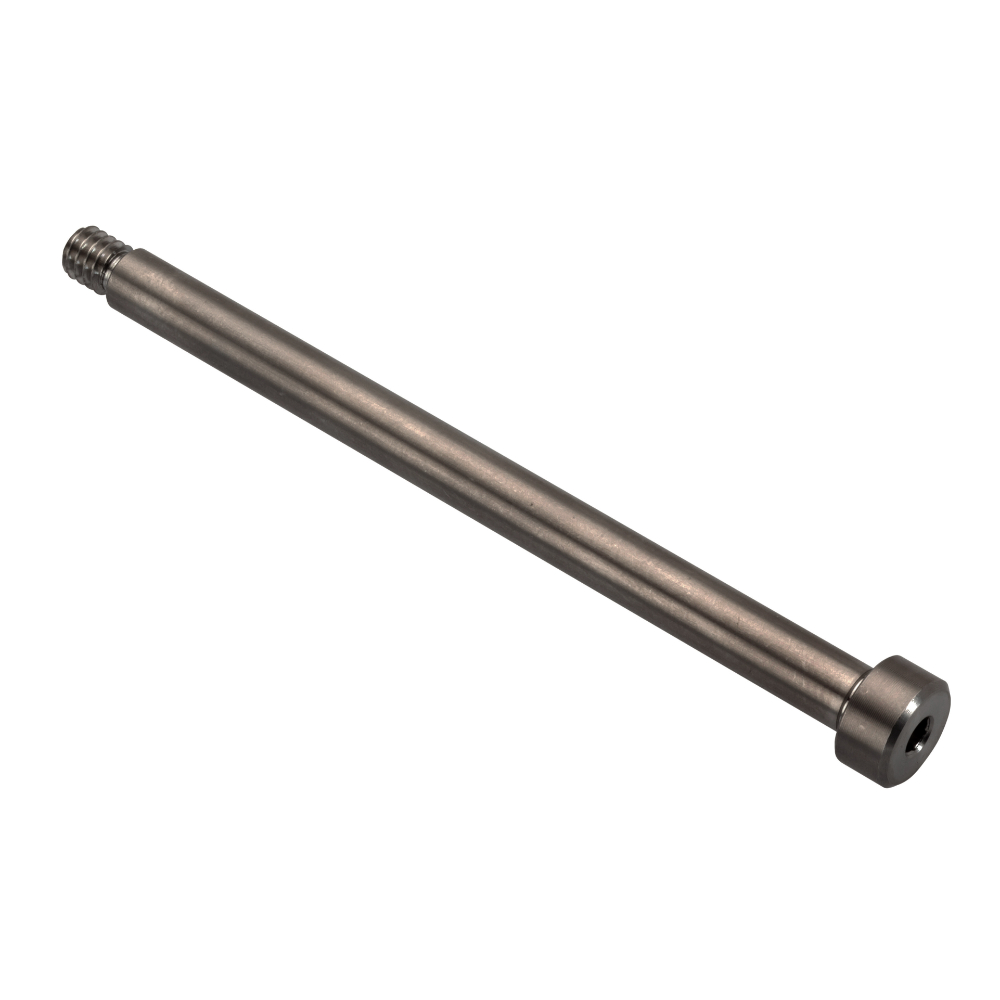
A conventional screw typically relies on its threads to engage with a mating component. A shoulder fastener, on the other hand, includes a smooth cylindrical section that can be used as a functional mechanical surface.
This distinction makes these fasteners particularly useful when components need to move, rotate, align, or remain separated by a controlled distance.
Key Features of Shoulder Screws
Several characteristics make these fasteners valuable in precision applications.
Precision-Machined Shoulder
The shoulder diameter and length are important because they can determine how components fit and move around the fastener. Accurate machining helps maintain consistent assembly dimensions.
Smooth Bearing Surface
The unthreaded shoulder can provide a smoother surface for rotating or sliding components than exposed threads would. This can help reduce unwanted contact between threads and moving parts.
Controlled Spacing
A shoulder can act as a built-in spacer. Instead of relying on multiple washers or separate spacers, the fastener itself can establish a predetermined gap between components.
Reliable Positioning
In assemblies where repeatable alignment is important, the shoulder can help locate components consistently during installation and maintenance.
Where Are Shoulder Bolts Used?
The versatility of shoulder bolts makes them suitable for numerous engineering and manufacturing environments.
Common applications include:
- Mechanical linkages
- Pivot points
- Rollers and wheels
- Electronic equipment
- Industrial machinery
- Automation systems
- Tooling and fixtures
- Mold and die assemblies
- Robotics
- Precision instruments
For example, a rotating lever may need to move freely while remaining accurately positioned. A shoulder fastener can provide the central mounting point while its smooth section supports the moving component.
Shoulder Screw Materials and Finishes
Material selection is an important consideration when choosing precision fasteners. The operating environment, mechanical loads, temperature, corrosion exposure, and required durability should all be considered.
Stainless Steel
Stainless steel options are commonly selected where corrosion resistance and long-term durability are important. They can be particularly useful in environments exposed to moisture or certain chemicals.
Alloy Steel
Alloy steel can provide high strength and durability for demanding mechanical applications. It may be appropriate where the fastener will experience significant mechanical loading.
Surface Finishes
Depending on the material and intended environment, different surface treatments or finishes may be available. The appropriate finish can improve corrosion resistance, wear characteristics, or overall service life.
How to Choose the Right Shoulder Fastener
Choosing the correct component involves more than simply matching thread size.
1. Check Shoulder Diameter
The shoulder diameter should correspond with the component's hole or bearing requirement. An incorrect diameter can affect alignment, movement, or load distribution.
2. Measure Shoulder Length
Shoulder length determines the available working area and spacing between components. Always verify the required length against the assembly drawing or application specifications.
3. Identify Thread Specifications
Thread diameter, pitch, and length must match the mating component. Depending on the application, metric and imperial thread standards may be relevant.
4. Consider Head Style
Different head configurations can accommodate different installation requirements. Available space, tool access, and the desired finished profile can influence the appropriate choice.
5. Evaluate Operating Conditions
Consider temperature, moisture, chemicals, vibration, movement, and expected loads. These factors can influence the material and finish required.
Why Precision Matters in Mechanical Assemblies
In precision engineering, a small dimensional difference can influence the performance of an entire assembly. Shoulder fasteners are designed with this reality in mind.
Their controlled shoulder dimensions can help manufacturers achieve consistent spacing and positioning without adding unnecessary components. This can simplify assembly while supporting repeatable production.
For automated manufacturing, where thousands of components may need to be assembled consistently, dimensional repeatability can be especially valuable.
Shoulder Screws vs. Conventional Fasteners
The main difference is functionality.
A conventional fastener is primarily intended to clamp components together. A shoulder fastener can combine fastening with spacing, positioning, pivoting, or bearing functionality.
This can make it useful when the assembly requires a component to rotate around a fixed point or when two parts need to remain separated by a specific distance.
However, shoulder fasteners are not automatically the right solution for every application. Engineers should evaluate load requirements, tolerances, material compatibility, installation conditions, and movement before specifying a component.
Frequently Asked Questions
What is the purpose of a shoulder screw?
A shoulder screw is designed to fasten components while its smooth shoulder provides a controlled surface for spacing, positioning, pivoting, or bearing applications.
Can shoulder bolts be used as pivots?
Yes. When properly sized for the application, the smooth shoulder can serve as a pivot surface for components such as levers, rollers, and linkages.
How do I determine the correct shoulder length?
Determine the thickness and spacing requirements of the components being assembled, then select a shoulder length that provides the required working clearance and positioning.
Are shoulder fasteners suitable for moving components?
They can be. The smooth shoulder is particularly useful where a component needs to rotate or slide around a fixed mounting point, provided the materials, loads, tolerances, and lubrication requirements are appropriate.
Conclusion
For applications that demand accurate positioning, controlled spacing, and dependable mechanical performance, shoulder screws and shoulder bolts offer a versatile fastening solution. Their precision-machined shoulder allows a single component to perform fastening and mechanical positioning functions simultaneously.
From machinery and robotics to tooling, electronics, and precision equipment, these specialized fasteners can help simplify assemblies and support consistent performance. When selecting shoulder screws or shoulder bolts, carefully consider shoulder dimensions, thread specifications, material, finish, load requirements, and the operating environment to ensure the component matches the application.
Visit Us: - https://ampg.com/product-list/shoulder-screws

 English
 Arabic
 French
 Spanish
 Portuguese
 Deutsch
 Turkish
 Dutch
Dutch
 Italiano
 Russian
 Romaian
 Portuguese (Brazil)
 Greek
Greek
 Hrvatski
 Cehoslowakia