


Smart Bone Health Technology Using Vibration Recovery Care
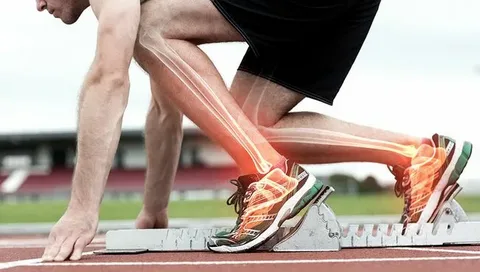
Bone health is a lifelong priority that many people overlook until problems arise. The silent progression of bone density loss affects millions of adults worldwide. Most individuals only realize this risk after experiencing a fracture or injury. Modern healthcare is now shifting toward proactive, technology-driven bone care solutions. Smart devices designed for bone stimulation are gaining widespread clinical acceptance. Vibration-based recovery technology is at the forefront of this transformation. These tools offer non-invasive, home-based support for skeletal health maintenance. This article explores how smart vibration recovery technology is changing bone care.
Understanding Bone Density Loss and Its Consequences
Bone is a dynamic, living tissue that continuously renews itself. Two cell types govern this renewal process simultaneously. Osteoblasts build new bone tissue throughout the skeleton. Osteoclasts break down and remove old bone tissue. In young adults, bone formation exceeds breakdown consistently. After age 30, this balance gradually shifts unfavorably. By midlife, bone breakdown begins to outpace formation. The resulting decline in bone mineral density is called osteopenia. Left unmanaged, osteopenia progresses to osteoporosis over time. Fractures become increasingly likely as bone density continues to fall. Hip, spine, and wrist fractures are the most common outcomes.
Lifestyle and hormonal factors accelerate natural bone density decline. Physical inactivity removes the mechanical loading that stimulates bone remodeling. Poor calcium and vitamin D intake limits the body's rebuilding capacity. Smoking, excessive alcohol, and certain medications worsen bone loss further. Post-menopausal women face the most rapid and severe bone density decline. Their drop in estrogen accelerates osteoclast activity significantly. Men also experience gradual testosterone-related bone loss with aging. Early awareness and technological intervention are essential in managing this process.
How Smart Technology Addresses Bone Density Loss
Smart technology offers mechanically precise and data-informed bone care approaches. Vibration-based devices apply targeted mechanical stimulation directly to bone tissue. This stimulation mimics the loading effect that exercise provides to bones. It activates osteoblast activity and shifts the remodeling balance toward bone formation. Devices designed for home use make daily therapy highly accessible for patients. Most users complete sessions in as few as ten minutes each day. This brief time commitment significantly improves long-term therapeutic adherence. Some smart devices track session frequency and duration for user monitoring. This data helps users maintain consistency and review their therapeutic habits. Technology-enabled bone care is a realistic option for a growing number of adults.
The Science of Low-Magnitude Vibration and Bone Recovery
Low-magnitude high-frequency vibration (LMHF) is a well-established clinical concept. It refers to vibration applied at low force but high cycles per second. Research confirms this specific combination activates bone remodeling effectively and safely. Bone cells are sensitive to the mechanical signals in their immediate environment. When these signals are present consistently, osteoblasts become more active over time. Multiple clinical trials have demonstrated increased bone mineral density with LMHF use. Both the spine and hip regions show measurable improvements in studied populations. These are the regions where fractures are most clinically dangerous and costly. The vibration used does not damage cartilage or soft tissue when applied correctly. Safety and clinical effectiveness together make LMHF the gold standard in this category.
Key Benefits of Vibration Recovery Technology for Bone Health
Vibration-based bone care technology offers several clinically meaningful benefits. Stimulation of new bone formation is the primary therapeutic mechanism. Regular sessions help maintain bone density in aging adults consistently and safely. Improved balance and postural stability are frequently reported by device users. These functional gains directly reduce the risk of dangerous falls. Fall prevention is one of the most important clinical outcomes in bone care management. Reduced long-term fracture risk is another critical benefit of consistent device use. The therapy is non-invasive and requires no medication, injection, or surgery. It can be used alongside existing medical treatments without interference. This compatibility makes it a flexible addition to any bone health management plan.
The osteoboost device is a well-known example in this technology category. It applies precisely calibrated vibration to support healthy bone remodeling processes. Its design follows clinically validated parameters established through peer-reviewed research. Many users report ease of integration into their existing daily routines. Healthcare providers increasingly recognize its value as an adjunct therapeutic tool. It is designed to be safe, comfortable, and practical for regular home use.
Who Benefits Most From Smart Bone Health Devices
Smart bone care devices are beneficial for a wide range of patients. Post-menopausal women are among the highest-risk populations for bone loss. Their estrogen decline accelerates bone density loss more than any other biological factor. Regular device use helps offset this hormonal effect in a meaningful way. Older men experiencing gradual testosterone decline also benefit from daily device therapy. People with diagnosed osteopenia are ideal candidates for preventive vibration therapy. Those who have already developed osteoporosis can use devices as an adjunct treatment. Individuals who are sedentary or mobility-limited benefit from non-exercise bone stimulation greatly. Athletes and active people can use devices to support recovery and bone maintenance.
Seniors and the Need for Bone Recovery Support
Seniors face compounding risks when it comes to bone health management. Multiple medications, hormonal changes, and reduced activity converge with aging simultaneously. This combination creates a high-risk environment for fractures and fall-related injuries. Smart bone recovery devices address this risk through consistent, gentle daily stimulation. The simplicity of home-use devices is especially important for older adults. Minimal setup requirements and short sessions accommodate reduced physical capacity. Devices designed with seniors in mind prioritize both safety and ease of operation. Many seniors report improved physical confidence after sustained device use. This psychological benefit supports continued physical activity and social engagement over time. Addressing both physical and psychological dimensions of bone health improves holistic outcomes.
Integrating Smart Bone Technology With Lifestyle Habits
Technology achieves its best results when integrated with supportive lifestyle practices. Calcium is the primary mineral needed for new bone matrix formation daily. Adults over 50 should aim for approximately 1,200 mg of calcium per day. Vitamin D ensures calcium is properly absorbed in the gastrointestinal system. Most adults benefit from vitamin D supplementation, especially in low-sunlight climates. Weight-bearing activities like walking add natural mechanical loading to bones regularly. Resistance training builds muscle that in turn protects and loads bone effectively. Avoiding smoking reduces oxidative damage to bone-forming cells significantly. Limiting alcohol preserves the hormonal environment needed for healthy bone remodeling. These lifestyle habits compound the therapeutic benefit of daily vibration device use considerably.
Monitoring Bone Health Progress With Technology
Tracking progress is important for understanding the cumulative impact of bone therapy. DEXA scanning remains the gold standard for bone mineral density assessment globally. A baseline scan before beginning therapy provides a valuable clinical reference point. Follow-up scans after six to twelve months reveal objective changes in density. Physicians use these results to guide ongoing treatment adjustments as needed. Smart devices that log session data contribute to a fuller clinical picture. Tracking daily use frequency supports more productive patient-provider consultations. Some newer devices allow data syncing with health platforms or smartphone applications. This integration makes comprehensive monitoring more accessible for technology-savvy users. Regular assessment ensures therapy protocols remain appropriate and effective over time.
The Future of Smart Bone Health Technology
Innovation in bone health technology is accelerating rapidly across the field. Researchers are exploring refined vibration parameters for even better clinical outcomes. Wearable bone care devices are being developed for continuous daily skeletal stimulation. Machine learning may soon allow devices to personalize vibration protocols for each individual. Remote monitoring and telehealth integration are expanding the reach of bone care services. Smart sensors embedded in devices could optimize delivery based on posture and position. These developments will make bone care more personalized and clinically effective than ever before. The combination of artificial intelligence and vibration therapy is especially promising. As technology advances, access to high-quality bone care will continue to expand for all populations.
Conclusion
Smart bone health technology represents a meaningful shift in how bone care is approached. Vibration-based devices provide a non-invasive, evidence-backed solution for bone density support. Their accessibility and safety make them suitable for a wide and diverse user base. From post-menopausal women to sedentary seniors, many patient groups benefit from regular use. Combining smart technology with proper nutrition and exercise amplifies every clinical outcome. Monitoring progress through DEXA scans and session logs supports ongoing treatment optimization. The future of bone health is being shaped by technology, accessibility, and personalized care. Investing in smart bone health tools today is an investment in long-term independence and resilience.
 English
 Arabic
 French
 Spanish
 Portuguese
 Deutsch
 Turkish
 Dutch
Dutch
 Italiano
 Russian
 Romaian
 Portuguese (Brazil)
 Greek
Greek
 Hrvatski
 Cehoslowakia