


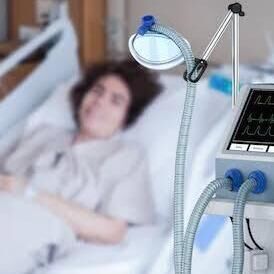
Persistent pain can make everyday life challenging, affecting a person's mobility, sleep, emotional well-being, and ability to perform routine activities. Patients living with arthritis, chronic back pain, nerve damage, or long-term medical conditions often require consistent support to manage their symptoms. Pain Management At Home In Dubai provides an opportunity for individuals to receive professional healthcare assistance while remaining in familiar surroundings. With services such as Doctor at Home, patients can access medical assessments, personalized treatment recommendations, and ongoing care without the stress of frequent hospital visits. Home nursing also plays an important role by helping patients follow treatment plans, monitor symptoms, manage medications, and maintain greater comfort and independence.
Understanding Persistent Pain and Its Challenges:
Persistent pain is generally defined as discomfort that continues or repeatedly occurs for more than three months. It may develop because of arthritis, spinal conditions, nerve damage, previous injuries, or other chronic health problems. Unlike temporary pain, which usually improves as an injury heals, persistent pain can continue to affect patients for months or years. It may interfere with sleep, reduce physical activity, and make ordinary responsibilities difficult. Some individuals also experience emotional challenges, including frustration, anxiety, and social isolation. Managing persistent pain requires more than temporary symptom relief. Patients often benefit from a combination of medical treatment, lifestyle adjustments, rehabilitation, and continuous healthcare support to maintain their quality of life.
Why Home Nursing Is Important for Patients With Persistent Pain:
Home nursing provides patients with professional assistance in an environment where they feel comfortable and secure. It is particularly beneficial for elderly individuals, patients with limited mobility, people recovering from surgery, and those managing long-term medical conditions. Professional nurses help monitor symptoms, support prescribed treatments, and identify changes that may require medical attention. Their regular involvement can also reduce the difficulties associated with travelling to healthcare facilities for routine support. By understanding each patient's medical needs and daily challenges, nurses can provide appropriate assistance while encouraging independence wherever possible. Their presence also offers reassurance to family members who may need guidance when caring for someone experiencing ongoing discomfort.
Monitoring Pain Levels and Recognizing Changes:
Regular pain assessment is an important responsibility of home nursing because symptoms can change depending on activity, medication, sleep, and underlying health conditions. Nurses may ask patients to describe the location, intensity, frequency, and nature of their discomfort. They can also observe physical signs such as changes in movement, facial expressions, sleep patterns, and appetite. Maintaining accurate records helps healthcare professionals understand whether the current treatment is effective or requires review. Patients may also be encouraged to keep a simple pain diary that records symptom changes and possible triggers. This ongoing monitoring helps identify worsening discomfort early and supports better communication between patients, nurses, and doctors.
Supporting Safe Medication Management:
Medication is often an important part of persistent pain management, but incorrect use can create additional health risks. Home nurses help patients follow prescribed medication schedules and understand instructions provided by their healthcare professionals. They may assist with medication administration when appropriate, monitor possible side effects, and report concerns to the supervising clinician. This support is especially valuable for elderly patients and individuals taking several medications for different health conditions. Nurses can also remind patients not to change dosages, combine medicines, or discontinue treatment without medical advice. Proper medication monitoring supports treatment consistency and helps reduce the risk of avoidable complications.
Helping Patients Maintain Mobility and Physical Comfort:
Persistent pain can discourage movement, potentially contributing to muscle weakness, joint stiffness, and reduced physical independence. Home nurses help patients follow appropriate movement recommendations and perform daily activities as safely as possible. Depending on their training and the patient's care plan, they may assist with repositioning, transfers, walking, and basic mobility exercises recommended by healthcare professionals. Patients who spend extended periods in bed may also require regular repositioning to reduce pressure-related skin complications. Nurses can work alongside physiotherapists to support rehabilitation goals and encourage gradual improvements in physical activity. These measures help patients remain as active and comfortable as their medical condition allows.
Preventing Pressure Sores and Other Complications:
Patients with persistent pain and limited mobility may spend long periods sitting or lying down, increasing their risk of pressure injuries. These wounds commonly develop over areas where bones are close to the skin, including the heels, hips, ankles, and lower back. Home nurses help reduce this risk through regular skin assessments, appropriate repositioning, hygiene support, and guidance on pressure-relieving equipment. They can also observe redness, swelling, skin breakdown, or other unusual changes that require attention. Additional nursing responsibilities may include:
-
Helping patients change positions according to their care plan.
-
Keeping the skin clean and dry.
-
Checking vulnerable areas for signs of pressure damage.
-
Supporting appropriate hydration and nutrition.
-
Maintaining clean bedding and comfortable positioning.
-
Reporting wounds or unusual skin changes to healthcare professionals.
Early attention to these concerns helps protect skin health and supports overall patient comfort.
Providing Emotional Support and Improving Mental Well-Being:
Living with persistent pain can affect emotional health, especially when discomfort limits social activities and personal independence. Patients may experience frustration, sadness, anxiety, or feelings of isolation. Home nurses often become an important source of reassurance because they regularly interact with patients and understand their everyday challenges. They can listen to concerns, encourage positive communication, and help patients remain engaged in suitable daily activities. Nurses may also recognize signs of emotional distress and communicate them to the appropriate healthcare professional. Although nursing support cannot replace specialized mental healthcare, compassionate communication and consistent attention can make patients feel more supported throughout their treatment journey.
Educating Family Members and Caregivers:
Family members frequently provide daily assistance to patients experiencing persistent pain, but they may not always know the safest ways to offer support. Home nurses help caregivers understand the patient's condition, medication instructions, mobility requirements, and personal care needs. They can demonstrate suitable techniques for repositioning, assisting with movement, and maintaining hygiene without placing unnecessary strain on the patient or caregiver. Families can also learn which symptoms should be reported and when professional medical attention is required. Important areas of caregiver education include:
-
Following medication instructions accurately.
-
Helping patients move and reposition safely.
-
Maintaining a comfortable resting environment.
-
Recognizing changes in pain levels and mobility.
-
Supporting healthy eating and hydration.
-
Understanding warning signs that require medical attention.
Educated caregivers can provide more consistent support while helping patients maintain dignity and independence.
Coordinating Care With Doctors and Physiotherapists:
Effective pain management often involves several healthcare professionals working together. Home nurses help maintain communication between patients, doctors, physiotherapists, and family members. They can report changes in symptoms, provide updates about medication responses, and communicate concerns observed during routine visits. This coordination is especially important for patients managing complex conditions or recovering from major surgery. Doctors can review the patient's progress and adjust medical treatment when necessary, while physiotherapists may recommend exercises to improve strength and mobility. A coordinated care approach helps ensure that different aspects of treatment work towards shared patient goals.
When Patients Need Additional Medical Attention:
Although home nursing provides valuable support, certain symptoms require further medical evaluation or emergency assistance. Patients should inform healthcare professionals when pain becomes progressively worse, new symptoms develop, or prescribed treatment no longer provides adequate relief. Sudden chest pain, breathing difficulties, severe abdominal pain, sudden weakness, or new neurological symptoms require urgent medical assessment. Back pain accompanied by new bladder or bowel control problems also needs immediate attention. Home nurses can help recognize concerning changes and communicate them promptly, but emergency symptoms should never be managed through routine nursing visits alone.
Choosing Professional Home Nursing Services in Dubai:
Selecting a suitable home nursing provider is important for patients who require ongoing support with persistent pain. Families should consider the qualifications of nursing professionals, the range of available services, and the provider's approach to individualized care. It is also helpful to choose a service that emphasizes communication, regular monitoring, and coordination with doctors and physiotherapists. Patients should understand the proposed care plan, nursing responsibilities, visit schedules, and procedures for reporting changes in their condition. Reliable home nursing services focus on patient safety, comfort, dignity, and continuity of care rather than providing only temporary assistance.
Final Thoughts
Home nursing plays an essential role in supporting patients who experience persistent pain by providing regular monitoring, medication assistance, mobility support, personal care, and emotional reassurance. Professional nurses also educate family members and coordinate with other healthcare providers to maintain consistent treatment. Pain Management At Home In Dubai allows patients to access personalized healthcare support without leaving the comfort of their homes. With qualified nursing assistance and an appropriate medical care plan, individuals can manage their symptoms more effectively, maintain greater independence, and work towards a better quality of life.














