

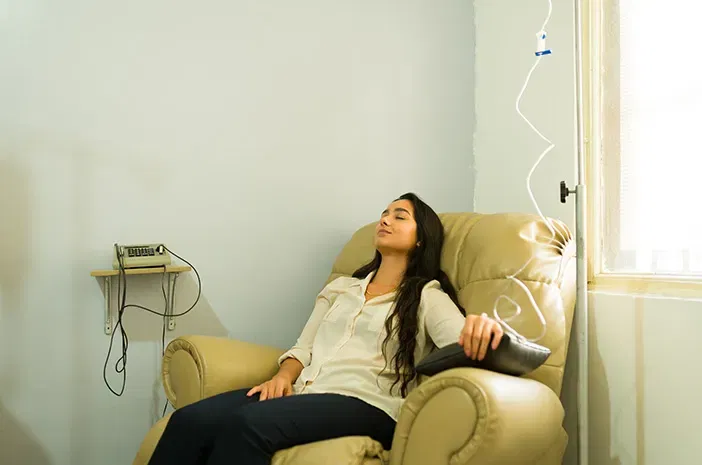
Receiving an intravenous (IV) drip for the first time can feel unfamiliar, especially if you have never had a cannula inserted or received fluids directly into your bloodstream. Understanding the process can help reduce uncertainty and prepare you for a comfortable and safe experience. IV Drip at Home in Dubai allows medically suitable patients to receive prescribed intravenous treatment in familiar surroundings under professional supervision. Before arranging a session, a Doctor at Home can assess your symptoms, review your medical history, and determine whether an infusion is necessary. Knowing what happens before, during, and after treatment helps patients and families understand their responsibilities and recognise when medical attention may be needed.
What Is an IV Drip Session?
An IV drip session involves administering a prescribed fluid, electrolyte solution, or medication through a small tube placed inside a vein. This method allows the prescribed substance to enter the bloodstream directly, making it useful in certain situations where oral intake is inadequate or intravenous medication is medically required. The type of solution depends on the patient's diagnosis, hydration status, laboratory findings, and overall health. For example, a doctor may prescribe normal saline, a balanced crystalloid solution, or a specific medication-based infusion depending on the clinical need. IV drips are not suitable for every illness or symptom, and they should not be considered a routine treatment for tiredness or general wellness without medical justification.
1. Medical Assessment Before the Session:
Your first IV drip session should begin with a medical assessment to confirm that treatment is appropriate. The healthcare professional may ask about your current symptoms, recent illness, fluid intake, medication use, allergies, and existing medical conditions. They may also check vital signs such as blood pressure, pulse, temperature, and oxygen saturation when clinically indicated. Depending on your condition, blood tests may be required to evaluate glucose levels, kidney function, or electrolyte balance. This information helps the clinician select the correct IV solution, determine the required volume, and establish an appropriate infusion rate. Patients with heart disease, kidney problems, diabetes, or fluid restrictions should provide these details before treatment because they may need additional precautions or hospital-based monitoring.
2. Understanding Your Prescribed IV Solution:
Before the infusion begins, the healthcare professional should explain which solution or medication has been prescribed and why it is needed. Different IV fluids serve different purposes and are not interchangeable. Normal saline and balanced crystalloid solutions may be used for selected fluid replacement needs, while glucose-containing solutions have specific indications and may require blood sugar monitoring. Electrolyte preparations are prescribed according to identified deficiencies and must be administered carefully. Some patients may receive medication through an IV line when intravenous delivery is clinically necessary. You should understand the intended purpose of the treatment, its expected duration, and any relevant precautions. If you are unsure why a particular solution has been recommended, ask the clinician to explain before the procedure starts.
3. Preparing the Treatment Area at Home:
If your first infusion is scheduled at home, preparing a suitable space can help the nurse work safely and efficiently. Choose a clean, comfortable, and well-lit area where you can sit or lie down without interruption. Keep pets, unnecessary household activity, and clutter away from the treatment space. The nurse should bring the required clinical supplies, including the prescribed IV solution, sterile cannula, tubing, dressing, and appropriate protective equipment. You may also want to keep your medical records, medication list, and allergy information nearby. Before starting, the healthcare professional should confirm your identity, verify the prescription, check the solution, and explain the procedure. Home treatment should only proceed when the environment and the patient's medical condition are suitable.
4. How the IV Cannula Is Inserted:
Once the preparation is complete, the nurse will usually select a suitable vein, commonly in the hand or arm. The skin is cleaned with an appropriate antiseptic, and a small sterile needle is used to guide a flexible plastic cannula into the vein. The needle is then removed, leaving the soft cannula in place, which is secured with a dressing. You may feel a brief pinch or mild discomfort during insertion. It is important to remain as still as possible and inform the nurse if you experience significant pain, tingling, or unusual discomfort. The nurse will check that the cannula is functioning appropriately before connecting the prescribed IV tubing. Never attempt to insert, remove, or adjust an IV cannula yourself.
5. What Happens During the Infusion?
After the cannula is connected, the prescribed solution begins flowing into your vein at the rate specified by the clinician. The infusion duration varies depending on the type and volume of fluid, the medication being administered, and the patient's medical needs. During this period, the nurse should monitor the infusion equipment and check the insertion site for swelling, redness, leakage, or discomfort. They may also assess your vital signs or other clinical measurements when required. You should remain comfortable and avoid pulling or bending the tubing. Tell the nurse immediately if you notice pain, burning, swelling, dizziness, itching, or any unusual symptoms. The infusion rate should never be changed without appropriate clinical authorisation.
6. How to Stay Comfortable During Your First Session:
Feeling nervous before your first IV treatment is understandable, but a few simple steps can make the experience easier. Wear loose clothing that allows access to your arm, choose a comfortable sitting or lying position, and follow the nurse's instructions. You can read, listen to music, or have a quiet conversation if you feel well enough. Avoid unnecessary movement around the cannula because pulling the line may cause discomfort or interfere with the infusion. Keep the nurse informed about how you feel throughout the session. Helpful preparation tips include:
-
Eat and drink according to your clinician's instructions.
-
Share your allergies and current medication list.
-
Keep your arm comfortably positioned.
-
Avoid touching the cannula or insertion site.
-
Report pain, swelling, dizziness, or other unusual symptoms promptly.
These steps can support a smoother experience without replacing professional monitoring.
7. What Happens After the IV Drip Is Completed?
Once the prescribed infusion has finished, the nurse will stop the flow and remove the cannula if no further IV treatment is planned. Gentle pressure may be applied to the insertion site, followed by a small dressing. The healthcare professional may check how you feel and review any symptoms that occurred during treatment. Depending on your condition, they may also provide instructions about hydration, medication, activity, or follow-up appointments. Some patients may return to their usual activities, while others may need rest or further medical assessment. Completing an IV drip does not automatically mean that the underlying illness has been treated. Follow the care plan provided by your doctor and attend any recommended follow-up assessments.
Possible Side Effects and Warning Signs:
Most patients tolerate properly prescribed IV fluids, but complications can occur. These may involve the cannula site, the solution, or the patient's response to the infusion. Recognising warning signs helps ensure that problems are addressed quickly.
Possible concerns include:
-
Pain, redness, swelling, or warmth around the cannula.
-
Leakage or fluid collecting beneath the skin.
-
Dizziness, nausea, or unusual discomfort.
-
Signs of infection, such as increasing tenderness or discharge.
-
Symptoms of fluid overload, including new or worsening breathlessness and swelling.
Report any unusual symptoms to the nurse immediately. Severe breathlessness, chest pain, fainting, seizures, or confusion require urgent medical attention. Do not wait for a scheduled home healthcare visit if an emergency develops.
Choosing Professional IV Drip Services in Dubai:
When booking IV Drip at Home in Dubai, choose a licensed healthcare provider that offers medical assessment, qualified nursing staff, sterile equipment, and appropriate clinical supervision. The provider should explain the prescription, expected infusion duration, possible complications, and follow-up arrangements before treatment. Ask whether the service can monitor your condition and how it responds if an unexpected problem occurs. Avoid providers that offer IV therapy without reviewing your medical history or promise guaranteed energy, detoxification, or immunity benefits. A reliable service prioritises medical necessity and patient safety rather than recommending unnecessary infusions.
Final Thoughts
Your first IV drip session should involve clear communication, a medical assessment, professional preparation, and careful monitoring from beginning to end. Understanding the prescribed solution, cannula insertion, infusion process, and aftercare can help you feel more confident. IV Drip at Home in Dubai may provide a convenient option for patients who are medically suitable for home-based treatment, but it must always follow a clinician's prescription. Share your medical history, follow the nurse's instructions, and report any unusual symptoms promptly. Safe treatment depends on choosing the right solution, receiving it at the correct rate, and ensuring that qualified professionals supervise the process.














